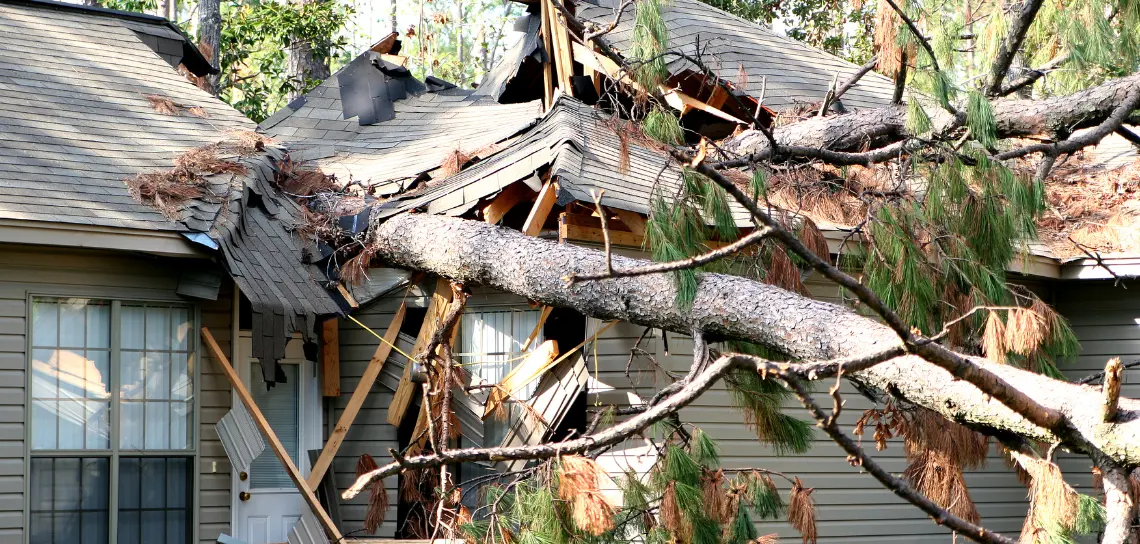
“Hurricane Haircuts”: Why Pre-Season Tree Trimming Can Save You Thousands
Spring arrives fast in South Louisiana. The rains pick up, the live oaks push out new growth almost overnight, and before you know it, your yard looks like a different place than it did two months ago. For homeowners across the greater New Orleans area, that rapid spring surge is a reminder: hurricane season is coming, and the trees on your property need attention before it does.
At Nola Tree Solutions, we work with property owners throughout Plaquemines Parish, the Eastbank, the Westbank, and St. Bernard Parish to get their trees in the best possible shape before the first named storm of the season. We call it a Hurricane Haircut, and the right one, done at the right time, can be the difference between a near-miss and a very expensive insurance claim.
Quick Tips for Hurricane Season Tree Care
Not sure where to start? Here’s a fast overview of the most important steps before storm season:
- Trim weak, dead, and crossing limbs now, not the week a storm is named
- Reduce wind sail in dense canopies, but do not top trees, which creates dangerous regrowth and structural problems
- Clear limbs over roofs, driveways, and power lines and contact your utility provider about anything near utility lines
- Check trees that lean, show soil heave at the base, or have visible cracks in the trunk
- Prioritize live oaks and other large canopy trees near structures, fences, and access points
- Schedule your assessment early to avoid the end-of-spring rush
- Document your tree condition before trimming for your own planning and peace of mind
- If a tree is questionable, don’t wait. Book a tree assessment before the season starts
Why “Hurricane Haircuts” Matter in Belle Chasse and the New Orleans Area
South Louisiana is not a forgiving environment for trees or for homeowners with neglected ones. We get long, wet springs that push aggressive growth. Summer heat and humidity stress trees that aren’t structurally sound. And when a storm rolls in from the Gulf, it doesn’t care whether your live oak looked fine last October.
The combination of fast growth, heavy rain, soft ground, and high winds creates conditions that make tree failure more likely here than in almost any other part of the country. Properties in Belle Chasse, Chalmette, Marrero, and Metairie sit in the middle of all of it.

What Usually Causes Costly Damage
Most storm-related tree damage doesn’t come from trees being uprooted outright. It comes from:
- Limb failure: Weak, heavy, or dead limbs that snap under wind load and land on roofs, fences, or vehicles
- Split unions: Co-dominant stems, where a trunk forks into two roughly equal trunks, that crack apart under stress
- Root instability: Soft, saturated soil combined with trees that have never been assessed for root health
These are exactly the failure points a well-timed hurricane haircut is designed to address.
The Timing Advantage
The earlier in the season you act, the more options you have. Trees trimmed well before storm season have time to respond and stabilize. Scheduling is easier. Crews are available. And you’re not making rushed decisions under pressure when a storm is already forming in the Gulf. Property owners who book pre-season trimming in April or May are in a fundamentally different position than those scrambling in July.
What Storm Prep Tree Trimming Actually Does
Reduces Wind Load without Harming the Tree
A properly thinned canopy allows wind to move through the tree rather than push against it like a sail. Selective pruning removes enough foliage and branch mass to meaningfully reduce wind resistance while preserving the tree’s health, structure, and natural appearance.
Removes Failure Points before They Snap
Dead limbs, hanging branches, and structurally weak attachments are liabilities waiting for the right conditions. Storm prep trimming identifies and removes these before a storm gives them a reason to fall on anyone’s property.
Improves Clearance around Roofs, Fences, Driveways, and Access Routes
Trees that overhang rooflines, driveways, or gates create risks beyond direct impact. Limbs that scrape shingles during wind events cause slow, cumulative damage. Blocked driveways and gates after a storm can delay emergency access. Clearance trimming solves these problems before they start.

What to Trim Before Hurricane Season and What to Leave Alone
Priority Tree Trimming Cuts
When our crews assess a tree for storm prep, these are the cuts that move to the top of the list:
- Deadwood removal: Any branch that is dead, dying, or showing significant dieback
- Hanging limbs: Branches that are already partially detached or lodged in the canopy
- Rubbing and crossing branches: Limbs that create friction or wound each other over time, creating entry points for disease and decay
- Weak attachments: Branches with narrow angles that indicate a structurally weak union with the trunk
- Water sprouts and suckers: Fast-growing, weakly attached growth that adds wind sail with minimal structural value
Clearance Zones
Beyond the tree itself, pre-season trimming should address the areas where falling limbs cause the most damage:
- Rooflines and gutters: Limbs within a few feet of your roof surface
- Driveways and parking areas: Overhead limbs above vehicles or travel paths
- Gates and entries: Anything that could block access after a storm
- Common walk paths: Clearance at head height and above throughout the property
What Not To Do: Topping and Excessive Stripping
Topping, or cutting back the main trunk or large primary branches to stubs, is one of the most damaging things you can do to a tree before storm season.
It creates large, poorly attached regrowth that is far more likely to fail in a storm than the original canopy. It also wounds the tree, invites decay, and shortens its lifespan. Stripping the lower canopy of all foliage similarly concentrates weight at the ends of branches, making them more likely to snap under wind load. Our approach follows established arboricultural standards for storm-resilient pruning, not shortcuts that create new problems.
Why Hurricane Haircuts Can Save You Thousands: Damage Prevention
Protecting your property and the people on it is the point. But it helps to understand exactly where the costs come from when storm prep is skipped.
Roof and Gutter Damage
A single large limb hitting your roof can mean thousands of dollars in shingle replacement, decking repair, or water problems. Even smaller limbs can cause gutter damage, clog downspouts, and create chronic moisture problems that compound over time.
Fence and Gate Damage
Fences and gates are expensive to replace, and often under-insured. A limb that falls across a wood privacy fence or a wrought iron gate after a storm can mean repair bills that run into the thousands, particularly if the damaged section affects a pool enclosure, a security gate, or shared property lines.
Driveway Access and Blocked Entry Risk
After a significant storm, a blocked driveway isn’t just an inconvenience. It can delay emergency services, prevent evacuation if another storm follows quickly, and create liability issues if a contractor or responder can’t access your property. Overhead clearance trimming is a straightforward way to keep access routes open.
Secondary Costs People Forget
The direct damage is only part of the picture. After a storm event, emergency tree removal typically carries a significant premium because demand spikes and scheduling is compressed. Add debris hauling fees, structural repair costs, and potential liability if a tree on your property damages a neighbor’s home or vehicle, and the cost of skipping pre-season trimming adds up quickly.
When We Recommend a Tree Assessment First
Not every tree goes straight to trimming. For some situations, a professional tree assessment is the right first step.
Trees with Visible Lean, Soil Heaving, or Trunk Cracks
These are signs that go beyond what trimming can address. A tree leaning toward a structure, soil that has begun to lift at the base of the trunk, or visible cracks in the main trunk all require evaluation before any trimming work begins. In some cases, the risk is in the root system or the internal structure of the tree, not just the canopy.
Trees Close to Homes, Sheds, Pools, and Power Drops
The closer a tree is to a structure, the higher the stakes. Trees within falling distance of a home, a detached garage, a pool, or the point where electrical service enters a structure deserve careful evaluation, not just a quick trim.
Recently Storm-Damaged or Trees
Trees that took damage in a prior storm and were trimmed quickly to remove hazards may still have unresolved structural issues. A tree that was “cleaned up” after Hurricane Ida or a previous event may look fine from the street but have internal decay or compromised branch structure that needs a trained eye to identify.

Our Hurricane Season Tree Care Approach
Pre-season work is most valuable when it’s done right, not rushed. Book your trimming early to get on the schedule before the end-of-spring rush.
Step 1: Identify Hazards and Prioritize Trees That Can Damage Structures
Every job starts with a walk of the property to identify the trees that carry the most risk, based on their size, location, species, visible condition, and proximity to structures, access points, and utilities. We work through the property systematically, so nothing gets missed.
Step 2: Trim for Storm Resilience
Storm prep trimming is a different job than shaping a tree for appearance. We’re making cuts based on structural priorities, removing failure points, reducing wind sail in the right places, and improving clearance where it matters most, while keeping the tree healthy and intact for the long term.
Step 3: Cleanup and Haul-Off
We discuss debris expectations before work begins, not after. Our standard process includes cleanup as part of the job. For larger jobs, haul-off logistics are confirmed in advance so there are no surprises about what’s hauled versus chipped versus left for homeowner disposal.
Next Step: Schedule Pre-Season Trimming Before the Rush
The best time to schedule hurricane season tree care is before everyone else is trying to do the same thing. Crews are available, scheduling is flexible, and your trees have time to settle before the season starts. Waiting until a storm is named removes all of those advantages.
Hurricane Haircuts FAQ
What Is Storm Prep Tree Trimming?
Storm prep tree trimming is proactive pruning work done before hurricane season to reduce the likelihood of tree-related damage during a storm. It focuses on removing structural weaknesses such as dead limbs, weak branch attachments, hanging branches, and improving clearance around structures, driveways, and access points.
When Is Hurricane Season And When Should We Schedule Tree Trimming?
The Atlantic hurricane season officially runs June 1 through November 30, with peak activity from mid-August through mid-October. We recommend scheduling pre-season trimming in April or May to ensure availability and give trees time to stabilize before the most active part of the season.
Does Tree Trimming Really Reduce Storm Damage Risk?
Yes, when done correctly. Properly thinned canopies experience less wind resistance. Removing dead and weakly attached limbs eliminates common failure points. Clearing limbs away from structures reduces the chance that even minor tree movement causes roof, gutter, or fence damage. Research in arboriculture consistently supports the value of proactive structural pruning for storm resilience.
Is It Safe to Trim Trees Right Before a Storm?
It’s not ideal, and it limits your options significantly. Last-minute trimming is often rushed, harder to schedule, and doesn’t give trees any recovery time. More importantly, once a storm is imminent, most professional tree crews are not available for routine trimming work. Pre-season scheduling is always the better approach.
What Should We Do About Tree Limbs Near Power Lines?
Do not attempt to trim limbs near utility lines yourself. Contact your utility provider to report the concern. For limbs near the service drop (the line running from the pole to your home), a licensed arborist or your utility provider can advise on the appropriate course of action. Nola Tree Solutions can assist with clearance work in areas adjacent to utility lines.
When Should We Remove a Tree Instead of Trimming It?
Removal is the right call when a tree has significant root instability, advanced internal decay, major structural failure, or is positioned so close to a structure that no amount of trimming eliminates the risk. A professional tree assessment is the right way to make that determination, not a visual check from the ground.
How Early Should We Trim Trees Before Hurricane Season?
April through May is the ideal window for the New Orleans area. This gives time for a proper assessment, allows scheduling flexibility, and ensures trimming is complete well before the most active months of storm season.
How Often Should Mature Trees Be Pruned for Storm Resilience?
For most mature trees in the Greater New Orleans area, a pruning cycle of every three to five years is a reasonable baseline. Trees near structures, trees with a history of storm damage, or fast-growing species may benefit from more frequent attention. An annual visual check and a professional assessment every few years is a good practice for any property with significant tree canopy.
Category: Hurricane